
The Personalized
Dining Assistant
for Modern Restaurants
Less hesitation. Faster decisions. Higher order value.
Source: CDC, U.S. adult and child prevalence (~33M).
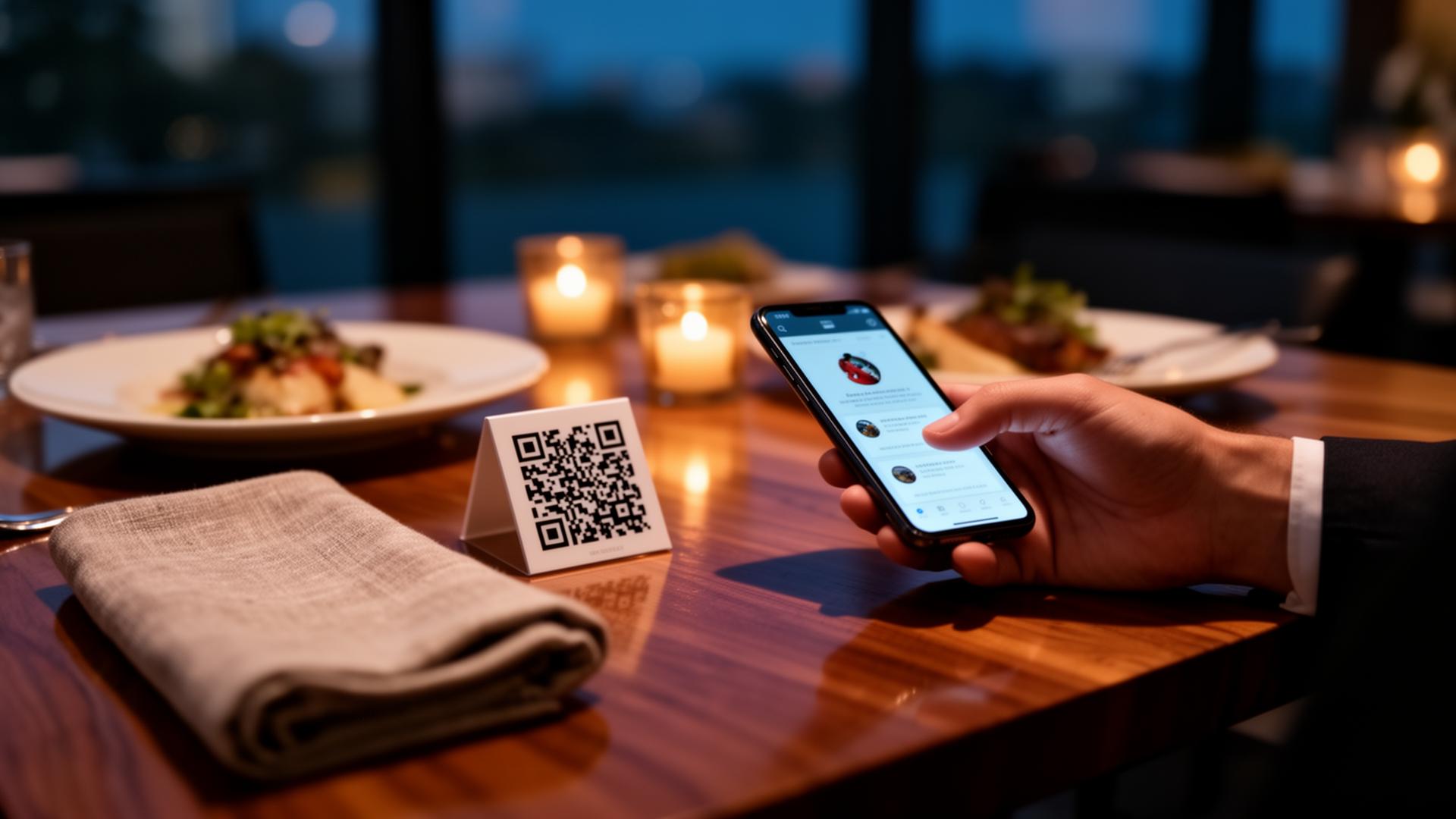
Customers spend more time
deciding than ordering.
Restaurants already have menus. The problem is decision making — and the ordering moment is where restaurants either gain or lose revenue.
- 01Large menus create decision fatigue
- 02Dietary preferences are increasing rapidly
- 03Allergies and nutrition concerns slow down ordering
- 04Waitstaff repeatedly answer the same questions
- 05Restaurants lose upsell opportunities during hesitation
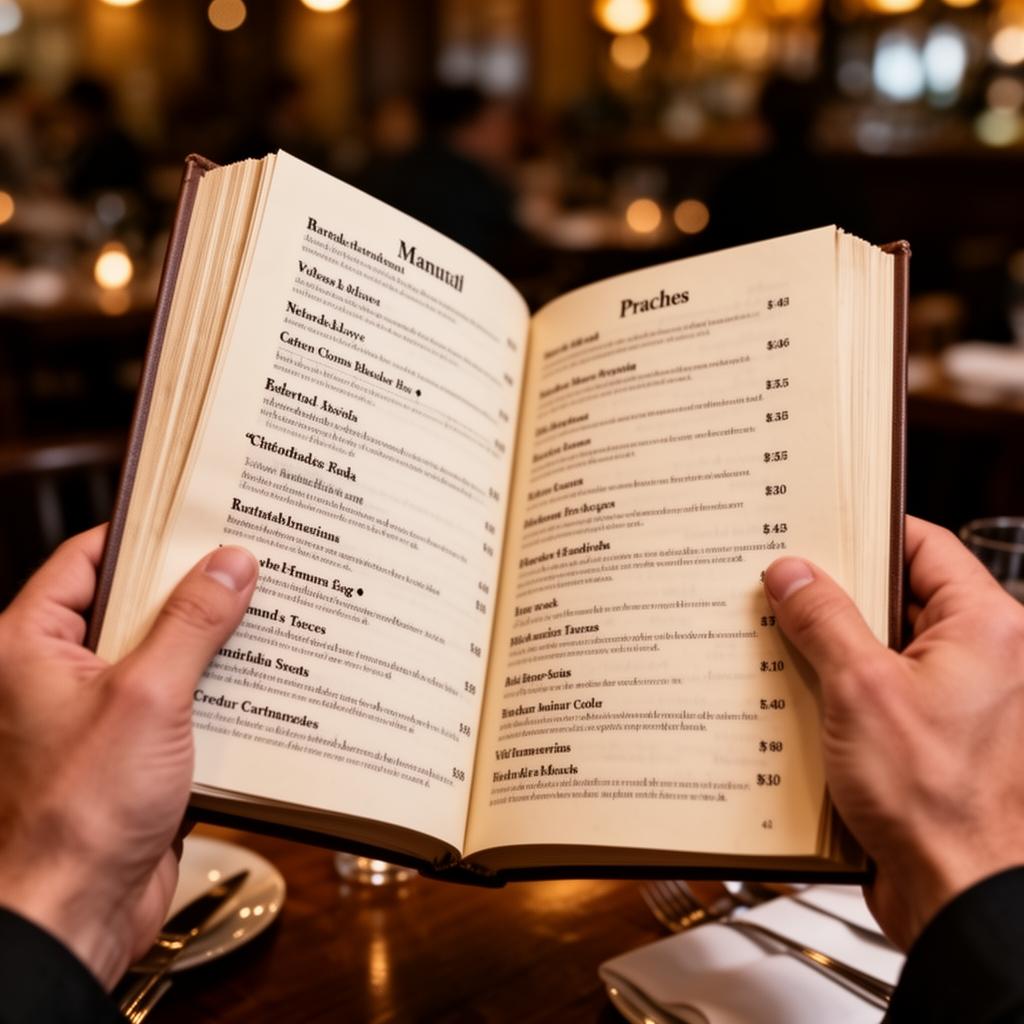
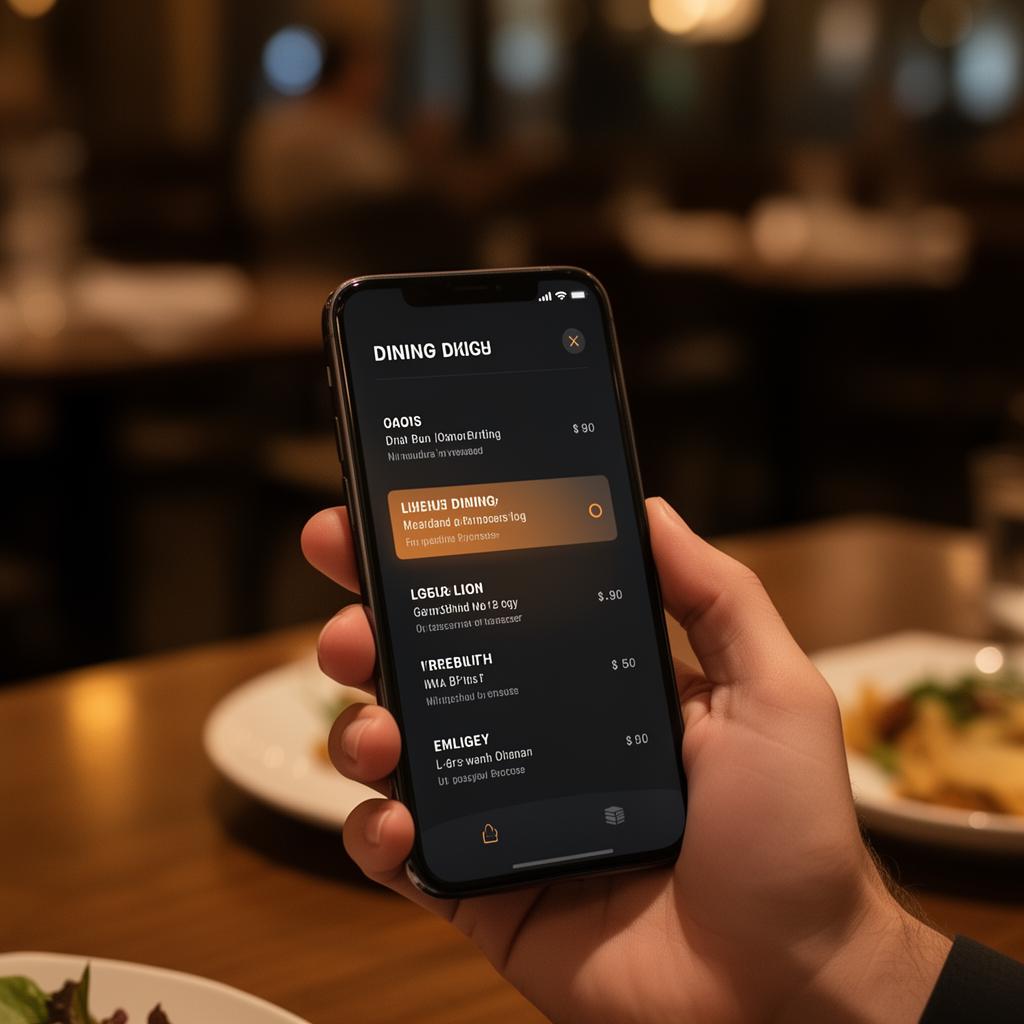
Not a QR menu.
A decision layer.
Menu Meta sits between the customer and the order decision. QR menus display food. Menu Meta helps sell food.
- Display menus
- Static browsing
- Replace paper menus
- Commodity software
- Process payments
- Backend operations
- Manage billing
- Operational infrastructure
- Influence decisions
- Personalized recommendations
- Increase order value
- Dining intelligence layer
Designed around the
modern dining experience.
- 01Customer sits at table
- 02Scans QR code
- 03Selects dietary preferences
- 04Receives personalized recommendations
- 05Discovers upgrades and pairings
- 06Orders through server
- 07Provides quick post meal feedback
Revenue at the
point of decision.
Menu Meta influences the most valuable moment in dining — and recommends based on customer intent, not generic promotions.
- reduced repetitive waiter interactions
- faster onboarding for new staff
- fewer ordering misunderstandings
- lower menu explanation dependency
- smoother peak hour operations
Increase Average Order Value
- intelligent pairings
- premium recommendations
- add ons and upgrades
- contextual upselling
Increase Table Efficiency
- faster decisions
- reduced ordering hesitation
- fewer repetitive staff questions
Increase Repeat Visits
- personalized dining experience
- dietary trust
- modern customer perception
Suggest a pairing that fits what the diner is already in the mood for.
Offer an upgrade only when it matches the diner's stated preferences.
Surface add ons in the diner's own language, not generic promotions.
What customers
wanted — not just
what they ordered.
Feedback becomes contextual because Menu Meta understands customer intent. The journey extends from recommendation to restaurant intelligence.
- 01Most filtered dietary preferences
- 02Most avoided ingredients
- 03Underperforming dishes
- 04High demand categories
- 05Satisfaction by food type
- 06Upsell conversion insights
- 07Hidden healthy food demand
Small improvements
at the decision moment.
- Order value
- Table efficiency
- Upsell conversion
SB 68 makes allergen
disclosure the law.
We make it the experience.
California Senate Bill 68 — signed September 12, 2025 — is in effect today. Every covered restaurant must disclose the Top 9 major allergens for every standard menu item across printed menus, menu boards, drive-thru boards, kiosks, websites, apps, and online ordering. It applies to chains of 20+ locations with at least one location in California.
20+ locations worldwide, same name and substantially the same menu, at least one California location.
Milk · Eggs · Fish · Shellfish · Tree Nuts · Peanuts · Wheat · Soy · Sesame — on every standard menu item.
Printed menus, menu boards, drive-thru, kiosks, websites, mobile apps, online ordering.
This page summarizes SB 68 for context and is not legal advice. Read the bill at leginfo.legislature.ca.gov.
Simple pricing
for restaurants.
Single location
Advanced personalization + analytics
onboarding support included · white label customization available